Tesla Sets Q2 2027 For Unsupervised Driving
Tesla plans to let owners add their vehicles to the Robotaxi network by the second quarter of next year, though operations will be restricted to specific zones.
By Thomas Reynolds ·
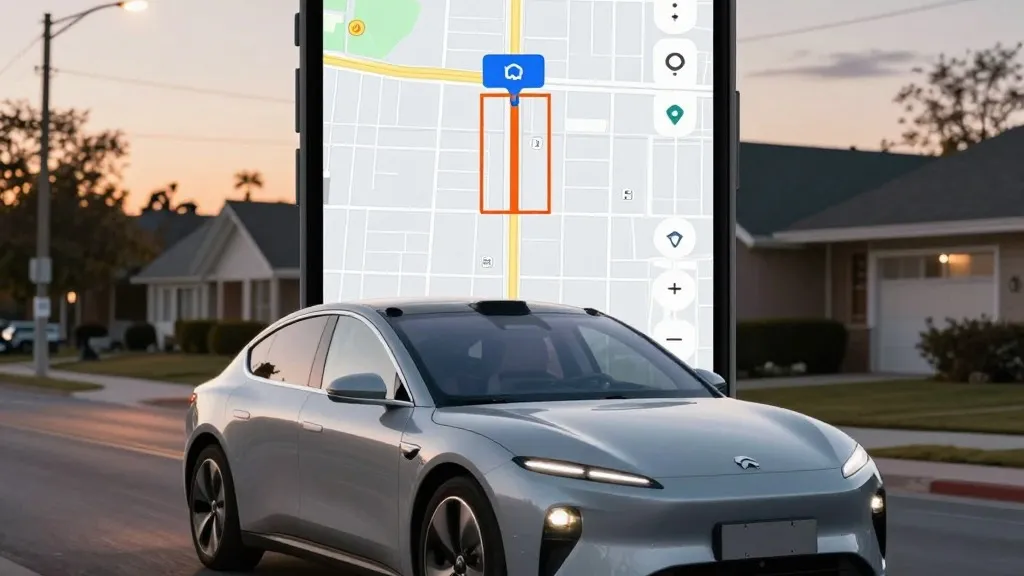
Tesla has announced a timeline for enabling unsupervised driving in customer-owned vehicles, targeting the second quarter of 2027. During the company's third-quarter 2026 earnings call on October 21, AI chief Ashok Elluswamy confirmed this date in response to a shareholder inquiry regarding when drivers could expect this capability. While the date provides a specific target, the scope of the feature is significantly narrower than the autonomous travel promised to customers in previous years.
The rollout will not initially allow a vehicle to drive a passenger to any desired location. Instead, the first phase involves owners enrolling their cars into Tesla’s managed Robotaxi fleet. Consequently, a customer’s vehicle would only operate without a driver in areas where Tesla’s Robotaxi service is currently active. This restriction limits the capability to the specific regions where Tesla operates its ride-hailing network, rather than enabling general autonomous travel.
Geographic limitations are a significant factor in this release. Tesla’s Robotaxi service currently operates in six metropolitan areas across the United States, though coverage within these cities is restricted to small, specific zones. For example, service in Miami is confined to West Miami and nearby areas, while other cities have similarly small geofences. Furthermore, operations are limited to low-speed routes and generally avoid highways. In California, regulatory requirements currently mandate a safety driver because Tesla has not released the necessary data to the state DMV.
The fleet size for these operations remains limited. Tesla reported that its Robotaxi service reached nearly 2 million cumulative unsupervised miles by the end of the third quarter of 2026. However, the number of fully driverless vehicles on the road is reported to be in the dozens, rather than the hundreds of thousands previously projected by Elon Musk. By comparison, Waymo operates with over 3 million miles of experience and has already established a presence in Orlando and Tampa prior to Tesla’s arrival.
The company has faced repeated delays regarding the promise of Full Self-Driving capabilities. Elon Musk stated in July 2025 that unsupervised FSD would be available for personal use by the end of that year in specific geofences. Previous statements from the previous year suggested that unsupervised self-driving would be available the following year. Additionally, owners of vehicles with HW3 computers have been informed that their hardware cannot support unsupervised FSD, with no clear upgrade path provided.
Looking ahead to the second quarter of 2027, the product being offered differs from the original concept of a car that drives anywhere through a software update. Instead, the update will allow a vehicle to function as a Robotaxi within a geofence controlled by Tesla, subject to specific operational conditions. This shift represents a change in the nature of the feature, moving from general autonomy to participation in a restricted network.
Source: Electrek