New York and New Jersey may soon see genetically engineered war dogs
A newly unmasked startup backed by $200 million plans to use gene editing and advanced tech to create superior working dogs for military and police units.
By Noor Haddad ·
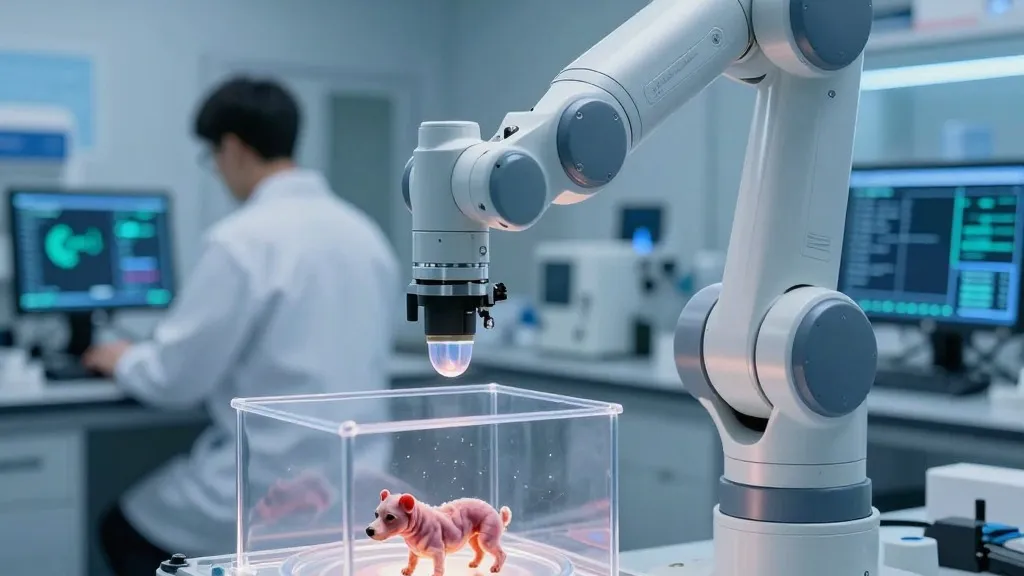
The U.S. military’s reliance on foreign-bred working dogs is set to shift as a new venture named Warhound emerges from stealth with a massive capital raise. The company has secured $200 million in funding to develop genetically enhanced canines designed for high-stakes operations.
Warhound’s backers include major investors such as Sequoia, 8VC, Corner Ventures, and In-Q-Tel, a venture firm supported by the CIA and other U.S. intelligence agencies. This significant round values the startup at $1.2 billion, signaling strong confidence in its ability to solve a critical logistical gap in national defense resources.
The core problem Warhound aims to address is the dwindling domestic supply of fit working dogs. Currently, over 80% of the U.S. military’s working dogs originate from Europe, and fewer than half of those are deemed fit for service. This heavy dependence on foreign nations creates a vulnerability that the new venture seeks to eliminate by engineering dogs with specific traits suited for demanding missions.
The technology behind this initiative comes from Colossal Biosciences, known for its de-extinction work. Founder Ben Lamm partnered with Anduril co-founder Palmer Luckey after meeting at a conference roughly a year ago. Lamm noted that Luckey expressed a need for better support for military working dogs, leading to a collaboration where Colossal provides the genetic engineering expertise and Anduril supplies the hardware and software.
The process involves taking cell lines from top-performing breeds like the Belgian Malinois and German Shepherd. Scientists will edit these genes to remove predispositions to health issues such as cancer or hip dysplasia while adding traits that improve speed, agility, and olfactory capabilities. Anduril will then equip these dogs with gear like sensor-embedded vests and goggles to aid handlers with situational awareness, effectively enhancing the dog’s safety and performance without altering its internal biology.
Reactions from industry leaders emphasize the potential for improved outcomes in the line of duty. Lamm stated that making the dogs healthier and safer will directly translate to better performance. The American Humane Society has also weighed in, applauding the invitation to guide the training certification process to ensure ethical treatment of the animals.
The first batch of these engineered dogs is expected to be born early next year, with service potentially beginning within two years. Cloning will be handled by Viagen, another company owned by Colossal, which boasts a high success rate in its cloning technology. While prices have not yet been set, the company expects to sell to the Department of Defense, police forces, and other first responders.
As the timeline moves forward, the focus remains on integrating these new canines into existing structures. Each dog will undergo standard military working dog training, and the company has briefed various government groups on the project. The ultimate goal is to create a domestic, high-performance supply chain that supports both the dogs and their human handlers.
With the American Humane Society overseeing the humane aspects of the program, Warhound aims to ensure that these new assets are well-cared for throughout their service and retirement. This approach combines cutting-edge genetic science with practical field gear to address a long-standing need in emergency response and military operations.
Source: TechCrunch