Wolves Move Into Finnish Villages as Google’s Data Center Expansion Disrupts Local Wildlife
Residents report increased wolf sightings after unauthorized forest clearing near Google's AI data center projects halted by regulators.
By Jasmine Coleman ·
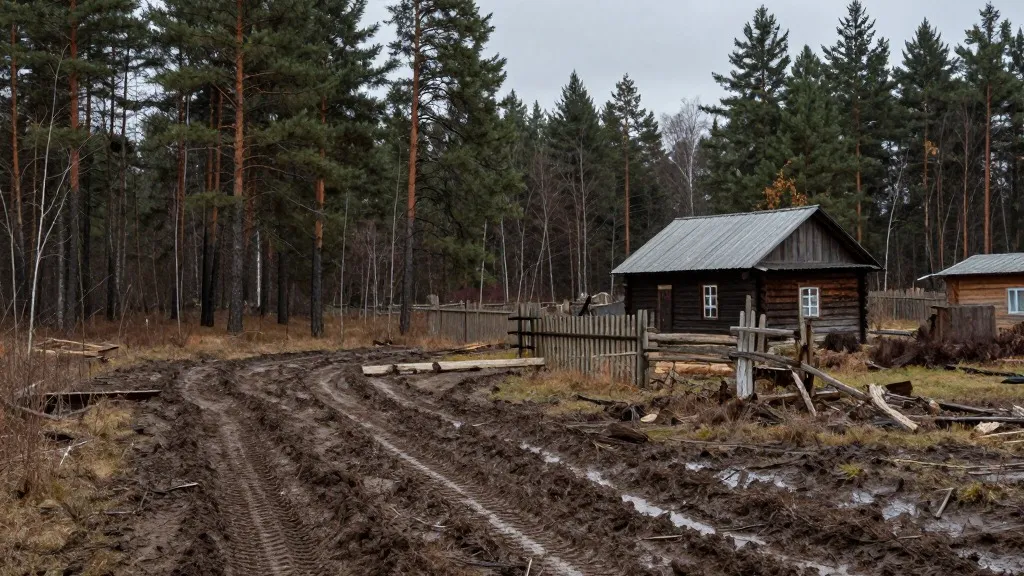
Finnish residents are reporting a noticeable shift in local wildlife behavior, with wolves beginning to roam into nearby villages. This change follows the clearing of thousands of acres of forest for new artificial intelligence infrastructure.
The situation has escalated into a significant community concern. Local families, including those in Otanmäki, a village located 55 miles southeast of the main construction zone, say that wild animals are entering their neighborhoods. This movement is directly linked to the disruption of the forest habitats that previously served as the primary territory for these packs.
The timeline of events reveals a pattern of regulatory friction leading up to this weekend. Earlier this month, the Finnish Licensing and Supervision Authority (LVV) issued formal notices to Google. These orders required the company to cease construction activities in two specific areas: Muhos and Kajaani, which is situated near Otanmäki. The regulator’s intervention came after it was determined that Google had cleared roughly 500 acres of forest in the Kajaani area without proper authorization. Additionally, in the Muhos area, 816 acres of forest were removed, leaving behind a large expanse of mud where the trees once stood.
Google’s management in Finland has responded to the growing criticism by issuing an apology for the unauthorized clearings. A spokesperson for the company stated that they intend to fully comply with the requests made by the LVV. They also expressed an eagerness to maintain an open dialogue with local authorities and organizations. The company appears to be positioning itself as a partner in Finland’s technological growth, hoping that the promised business benefits of the data centers will weigh heavily in favor of the projects.
However, the local reaction suggests that the economic arguments are not silencing the community’s concerns. Anni Ranta, a 53-year-old resident of Otanmäki whose family has lived there for generations, explained the direct impact on daily life. "We had wolves coming into the village because all the wild animals moved out of the forest," Ranta said. Her comments highlight the immediate safety implications for residents who are now sharing their living spaces with displaced predators.
Ranta also voiced a broader geopolitical concern regarding the presence of U.S.-owned infrastructure in the region. She fears that the high-value data centers will make Finland a more attractive target for Russian aggression. This sentiment adds a layer of strategic anxiety to the already heated debate over environmental stewardship and corporate responsibility.
The environmental damage extends beyond the loss of trees. Local residents have been vocal about several other side effects of the rapid construction. Complaints include persistent construction and factory noise, which disrupts the quiet of the rural landscape. Furthermore, locals have noted that nearby streams have turned brown due to runoff, and several rare bird species have been pushed out of their natural habitats. These issues paint a picture of a landscape under severe stress.
The Finnish Association for Nature Conservation (SLL) has characterized Google’s handling of environmental policy as unprecedented and clear in its flouting of regulations. The organization’s representative indicated that the scale of the unauthorized work was difficult to ignore. This view appears to be shared by the regulatory body, which took the step of ordering a stop to development to prevent further damage before the full extent of the impact was understood.
As the situation develops, the focus now shifts to how Google will proceed with its plans. The company must navigate the complex relationship between its rapid expansion goals and the strict expectations of Finnish regulators and the public. The appearance of wolves in village centers serves as a tangible symbol of the ecological disruption caused by the rush to build AI infrastructure. For now, the work remains halted in the affected zones while Google works to align its operations with local requirements.
The next steps will likely involve detailed discussions between Google and the LVV regarding remediation and future compliance. Residents are watching closely to see if the company’s promise of an "active, open dialogue" translates into concrete actions that address both the environmental damage and the safety concerns raised by the displaced wildlife.
Source: Tom's Hardware