Tesla Building In-House Maps to Fix FSD Navigation Flaws
The EV maker is developing a proprietary mapping layer from fleet data to address persistent errors in speed limit reading and route selection for its autonomous driving software.
By Fatima Zayed ·
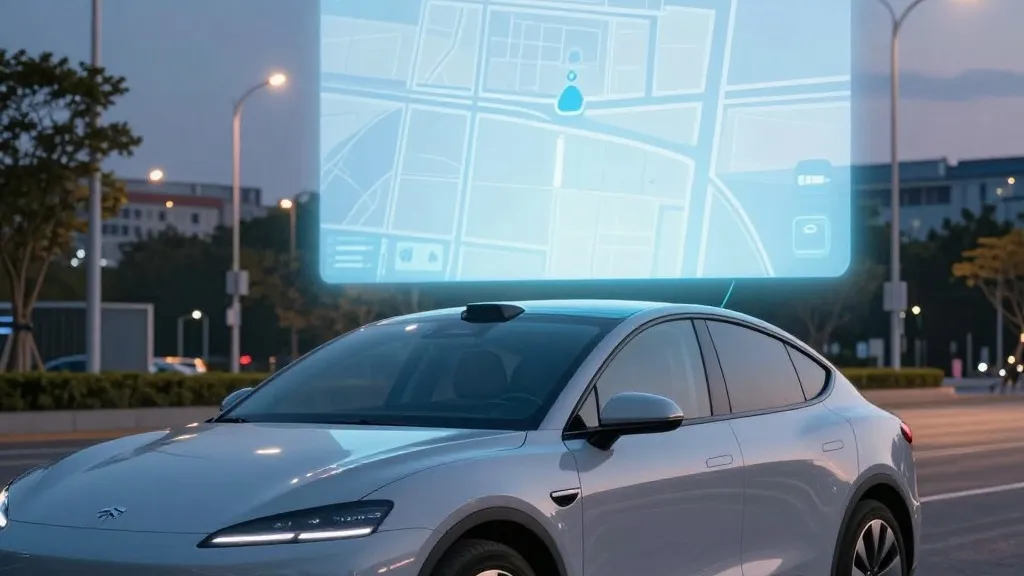
For drivers relying on Tesla’s Full Self-Driving system, the company is finally acknowledging that its vision-only approach has limits. The shift comes as Tesla works to correct frequent errors involving speed limits, parking, and route choices. These are the specific pain points that have plagued the technology for years, leading to a new strategic direction for how the cars process environmental data.
The change was outlined during Tesla’s Q3 2026 earnings call, where the company detailed its plan to build its own maps. This move marks a significant departure from the stance held for nearly a decade. Tesla’s VP of AI, Ashok Elluswamy, stated that the company should not depend on external providers for mapping data. He explained that a new AI-based architecture will utilize data from the fleet to create these maps, which will also learn individual driver preferences and respond to voice commands.
The implementation is staged. The technology will initially handle the beginning and end of trips with the release of FSD v15. Over the following months, the system is expected to take over broader navigation, parking, and destination handling. This approach mirrors the methodology used by Waymo, which maps cities using sensor-equipped vehicles before launching service and updates those maps continuously as its fleet operates.
Tesla’s history with mapping has been inconsistent. In 2015, the company claimed it was building high-precision maps with significantly more granularity than standard navigation. By 2019, CEO Elon Musk reversed this view, calling reliance on detailed lane maps a huge mistake that made systems brittle. He famously dismissed lidar as a fool’s errand, arguing that cameras and AI alone could solve driving. Seven years later, the company is now using its fleet to build a map layer to fix issues its vision system cannot resolve on its own.
The need for a dedicated map layer is driven by persistent failures in understanding the environment. Recent data highlights these gaps. A Belgian road safety group found that FSD exceeded the 30 km/h limit in 55% of test zones in Brussels, often displaying an incorrect 50 km/h limit on the screen. In the United States, the NHTSA is weighing an investigation into claims that Tesla Robotaxis speed through active school zones. These incidents involve roughly 1,000 Model Y and Cybercab vehicles.
This development brings Tesla closer to its competitors in practical execution. While Waymo uses lidar for high-definition mapping, Tesla’s new system relies on data collected by its existing fleet. The main difference remains the hardware, but the underlying logic of using a fleet to build and maintain a map is identical. For investors and consumers, the stakes are high. If the new maps can reliably fix speed limit errors, it could smooth the path for unsupervised FSD. However, it also validates the argument that vision alone was insufficient for a decade-long promise of general autonomous driving.
The timeline for consumer adoption remains targeted for Q2 2027, but only within geofenced service areas. This cautious rollout suggests that the map-building phase is a prerequisite for wider deployment. As Tesla integrates this new layer, the company is effectively admitting that a hybrid approach of AI and data-driven mapping is necessary to compete in the autonomous vehicle market.
Source: Electrek