Tesla profits shrink again despite margin gains
Operating income dropped by more than half in the third quarter as the company ramped up spending on AI and new robot projects.
By Kateryna Melnyk ·
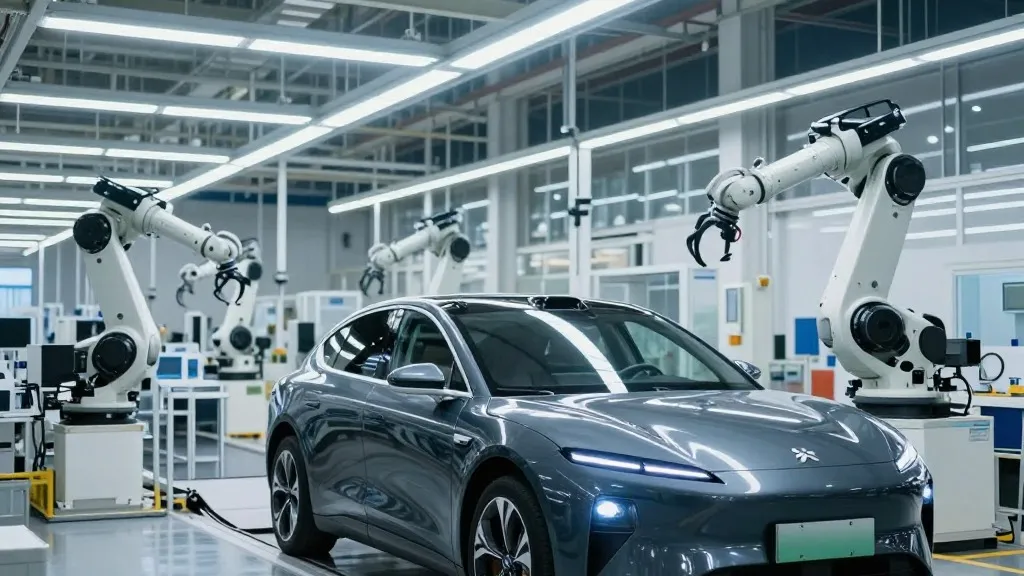
Operating income fell by 56% in the third quarter of 2026, a sharp decline that overshadowed other financial improvements for Tesla. The company reported this significant drop after the stock market closed today. While revenue held steady, the bottom line took a hit due to rising costs. This marks a difficult period for the automaker. Investors had expected a flat quarter, but the profit slide continued. The results were released alongside a letter to shareholders.
Revenue came in at $28.05 billion. This figure was essentially flat compared to the same period last year. It also matched Wall Street expectations of $28.06 billion. Non-GAAP earnings reached $0.48 per share. This beat the consensus estimate of $0.45. However, it was down 4% from the previous year. GAAP net income fell 43% to $787 million. This translates to $0.22 per share. The numbers show a mixed bag of results.
Margins showed some recovery. Automotive gross margin excluding credits rose to 18.1%. This is up from 15.4% a year ago. Total gross margin improved to 19.6%. Despite this, operating margin dropped to 2.6%. It was 5.8% in the same quarter last year. Operating expenses jumped 39% to $4.78 billion. Research and development spending surged 69% to $2.76 billion. Tesla is investing heavily in what it calls Super Intelligence, Optimus, and the Cybercab.
Capital spending doubled year-over-year to $4.73 billion. This puts the company at $13.01 billion for the first nine months of 2026. Management had guided for over $25 billion for the full year. To meet that target, Tesla would need to spend about $12 billion in the fourth quarter. That is more than double its largest quarter so far. The Q3 letter did not update this guidance. Free cash flow was $1.53 billion, a strong improvement from the previous quarter's negative $1.09 billion.
Tesla blames battery availability for flat vehicle sales. Deliveries dropped 2.1% to 486,532 units. The company claims it has the largest passenger vehicle backlog in four years. Yet average selling prices continue to fall. This is unusual for a supply-constrained manufacturer. Energy revenue dropped 16% to $2.88 billion. This was partly due to tariff-related customer refunds. Services revenue grew 33% to a record $4.61 billion.
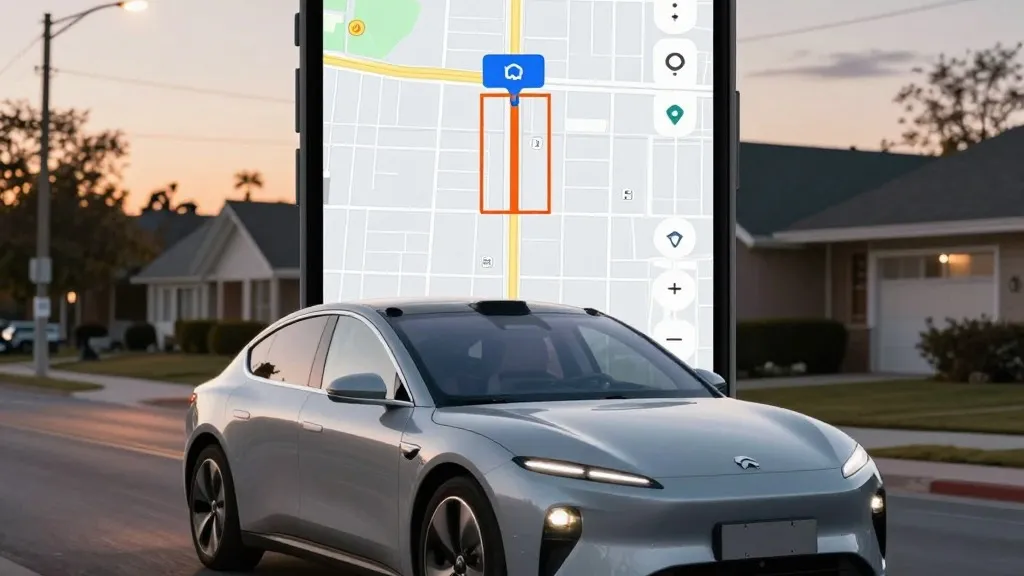
Active FSD subscriptions reached 1.74 million. This count includes upfront purchases. Robotaxi service logged nearly 2 million unsupervised miles. Management will discuss these results on an earnings call later tonight. The company is pushing forward with its autonomous driving goals. However, the heavy spending raises questions about future returns. Investors are watching closely to see if the investment pays off.
The outlook remains uncertain. Tesla is in a transition phase. It is shifting from a pure car manufacturer to a technology company. The high burn rate on capital projects is the main concern. If spending slows, the annual target may slip. The fourth quarter will be decisive. For now, the profit decline is the headline. The margin gains offer some hope, but they are not enough to offset the massive increase in expenses.
Source: Electrek