Spanish Rocket Nears Launch Pad as Space Firms Expand
A Spanish rocket is nearing its final assembly for a launch planned before mid-2027, while a Canadian startup seeks funding to scale up production and develop larger vehicles.
By Imani Brooks ·
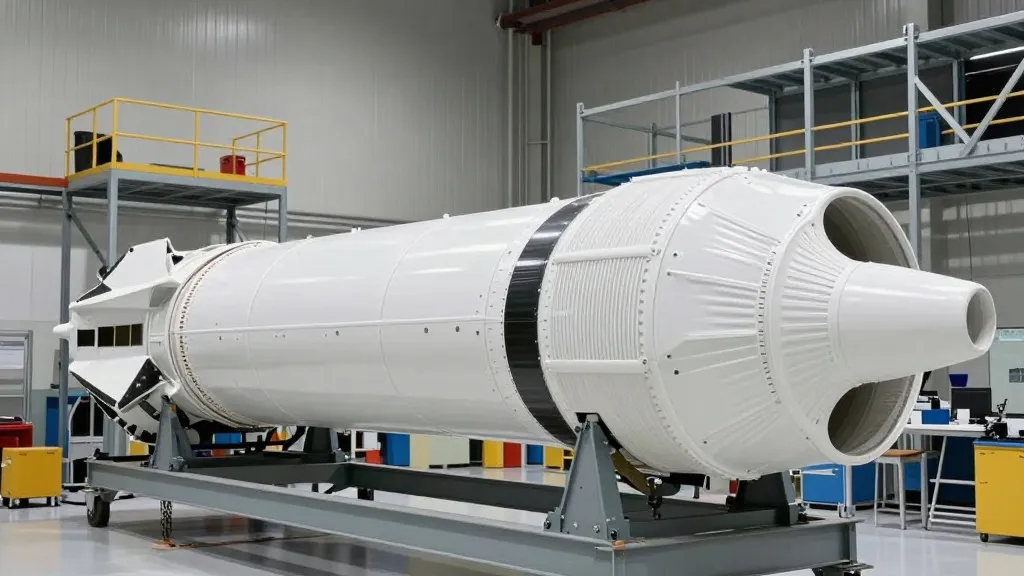
If you are watching the growing race to build new rockets, two companies are making moves that matter to the future of spaceflight. One European firm is putting the finishing touches on its first vehicle, and a North American company is looking for a large sum of money to hire more people and build bigger machines. These updates show how the industry is pushing forward with new hardware and new plans.
PLD Space is getting its Miura 5 rocket ready for its first flight. The company says the vehicle is nearing final integration. This is a small-lift rocket, and it is the first of three that the firm has built. The other two rockets are meant to help test important parts of the system. The company's CEO, Raúl Torres, said on October 19 that building these three vehicles at the same time has helped his teams work without stopping.
Torres explained that the process allowed his teams to apply lessons learned from each qualification campaign directly to the launch vehicle. One part of the rocket, the second stage, is now fully put together. It has been moved to a test facility in Teruel for a series of checks. These include a wet dress rehearsal and a static hot-fire test. PLD Space is aiming to fly the Miura 5 before mid-2027.
Meanwhile, a Canadian company named Reaction Dynamics is looking to raise $350 million. The money would be used to grow its staff from 68 people to more than 350. The firm is building a small-lift rocket called Aurora, which it hopes will reach orbit in 2028. Reaction Dynamics also has plans to build a medium-lift rocket, Borealis, which is expected to debut by 2031.
These stories are part of a larger trend of new rocket companies trying to enter the market. The work of PLD Space and Reaction Dynamics shows a focus on building and testing new hardware. The funding request from Reaction Dynamics points to the high cost of expanding a space company. It takes a lot of people and money to build rockets that can fly.
Looking ahead, the success of these plans will depend on the companies meeting their goals. PLD Space must finish its tests and prepare for a launch. Reaction Dynamics needs to secure the funding it is seeking. The ability of these firms to follow through will be important for their future. The development of new rockets is a key part of the ongoing effort to reach space.
The push for new launch vehicles is a constant topic in the space world. Companies are always working on new designs and looking for ways to improve them. The efforts of PLD Space and Reaction Dynamics are examples of this activity. The information in this report is current as of October 23, 2026.
Source: Ars Technica