Pentagon Memo: New Rules on Military Betting
Defense Secretary Hegseth has issued a new directive warning service members that using non-public info to bet on military outcomes could expose troops to enemy intelligence.
By Natalia Campos ·
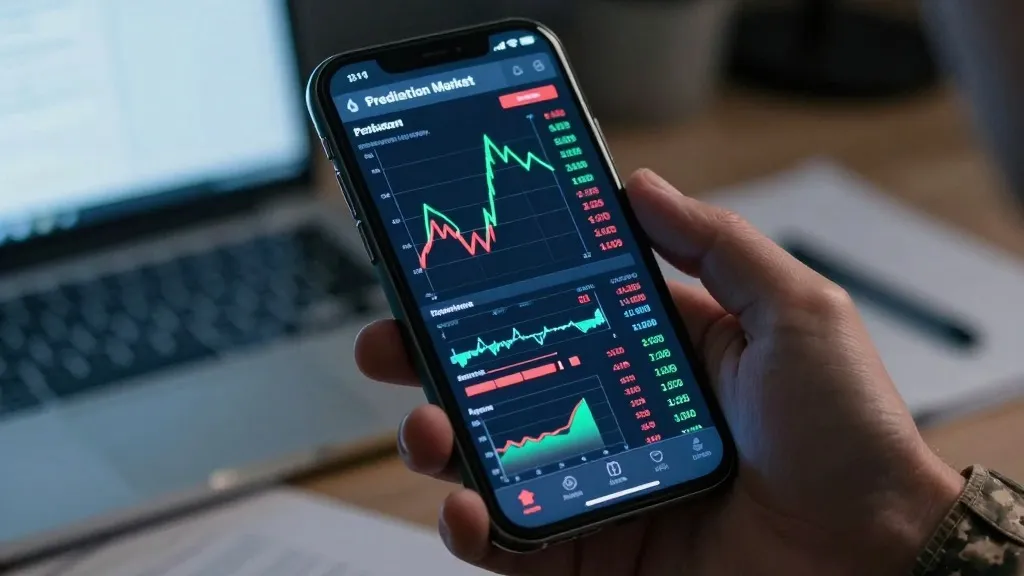
If you are a service member or a civilian working for the Department of Defense, the way you handle your money on certain online platforms is about to get a lot more serious. Starting this week, there is a formal warning that using information you know but haven’t shared publicly to place bets on military events could now be seen as a significant breach of trust. The goal is to stop personal financial gain from becoming a strategic liability for the troops on the ground.
The directive comes from Defense Secretary Pete Hegseth, who sent a memo on October 20 to top Pentagon leadership, heads of Combatant Commands, and directors of defense field activities. The subject line was blunt: “Do Not Compromise Military Operations for Personal Financial Gain.” It is a clear signal that the Department of Defense is moving to tighten the reins on how military personnel interact with prediction markets and traditional betting sites.
The core argument in the memo is that these financial markets are no longer just for fun or for day traders; they are being watched by adversaries. Hegseth explained that when a soldier, intelligence professional, or defense civilian places a bet based on non-public knowledge, they are essentially sending a signal. Hostile foreign intelligence services can aggregate these signals, correlate them with other data, and use them to predict American military movements, targets, and timing.
Hegseth emphasized that the lives of service members often hinge on the element of surprise. He wrote that the men and women who carry the flag into harm’s way deserve a force that protects them, rather than one that exposes them to the enemy for personal profit. The memo suggests that a single bet, if placed by someone with access to sensitive details, could be the thread that unravels an operation’s secrecy.
This warning follows a series of high-profile incidents that have already highlighted the risks. In April, a U.S. Army soldier was arrested and charged with using confidential information to make bets on Polymarket. The soldier wagered on the timing of the military’s capture of Venezuelan President Nicolás Maduro and reportedly made $410,000 in profits. This case served as a stark example of how insider knowledge can translate into significant financial windfalls.
The issue is not limited to individual soldiers. An August report from the Anti-Corruption Data Collective identified 152 suspicious digital wallets that placed long-shot bets on military and defense markets. These wallets collectively won $8 million. The report suggested that these bets were not random but were informed by non-public information, reinforcing the idea that prediction markets have become a potential vector for leaking strategic details.
The new memo clarifies the scope of the prohibition. It applies to all financial platforms, including traditional betting services and prediction marketplaces like Polymarket and Kalshi. The rule is not limited to information that is officially classified. Hegseth wrote that Defense Department personnel may not make any financial transaction informed by nonpublic information, whether that information is classified or simply unclassified but not yet public.
For many in the military community, this may feel like a new standard, but it aligns with long-standing principles of operational security. The memo does not ban betting entirely, but it bans betting with an unfair advantage derived from one’s job. If you know something about a mission, a deployment, or a strategic shift that is not yet in the public domain, you are now officially told not to let that knowledge influence your financial trades.
There are still questions about how strictly this will be enforced across the sprawling Department of Defense. Will there be audits of betting accounts? How will commanders monitor the financial activity of their staff? These are open questions that will likely be addressed in future guidance. For now, the message is clear: the line between personal finance and national security is thinner than many may realize, and crossing it with insider knowledge is no longer just a personal choice, it is a potential operational risk.
The memo was published by CBS News yesterday, bringing the directive to a wider audience. It serves as a reminder that in the age of digital markets, every transaction can carry weight. For the average service member, the advice is simple: if you know something the public doesn’t, keep it to yourself, and maybe keep your money in the bank.
Source: Ars Technica